Pruning at the right time of year can make a significant difference to the health, shape and long-term performance of your garden. Done well, it encourages strong growth, better flowering and a more balanced, manageable space. Done at the wrong time, it can set plants back or remove the very growth you were hoping to encourage.
In North Yorkshire, timing matters even more. Gardens across Harrogate, Ripon and Nidderdale often experience cooler temperatures, heavier soils and late frosts, which means general UK advice does not always apply directly.
Why pruning timing matters
Every cut you make affects how a plant grows, flowers and responds in the following season. When pruning is timed well, it supports the plant natural cycle: growth is encouraged at the right moment, energy is directed where it is needed, and the plant has time to recover.
- Encourage healthy new growth
- Improve flowering and fruiting
- Maintain structure and shape
- Prevent disease and overcrowding
Month-by-month pruning guide
January to February
One of the most useful times of year. With most plants dormant, you can clearly see the structure of trees and shrubs and make considered decisions about shaping and removal.
- Apple and pear trees
- Roses, particularly towards the end of February
- Overgrown deciduous shrubs
Avoid pruning early flowering plants during this period. Many will already have buds forming.
March to April
As the garden wakes up, pruning becomes more selective. Focus on light shaping of shrubs, removing winter damage and cutting back ornamental grasses. Late frosts are still common, especially in exposed areas such as Nidderdale, so heavy pruning now can leave plants vulnerable.
May to June
The key window for spring-flowering shrubs such as forsythia and flowering currants, which flower on growth produced the previous year. Pruning immediately after flowering allows the plant to recover and produce the growth that carries next year flowers.
July to August
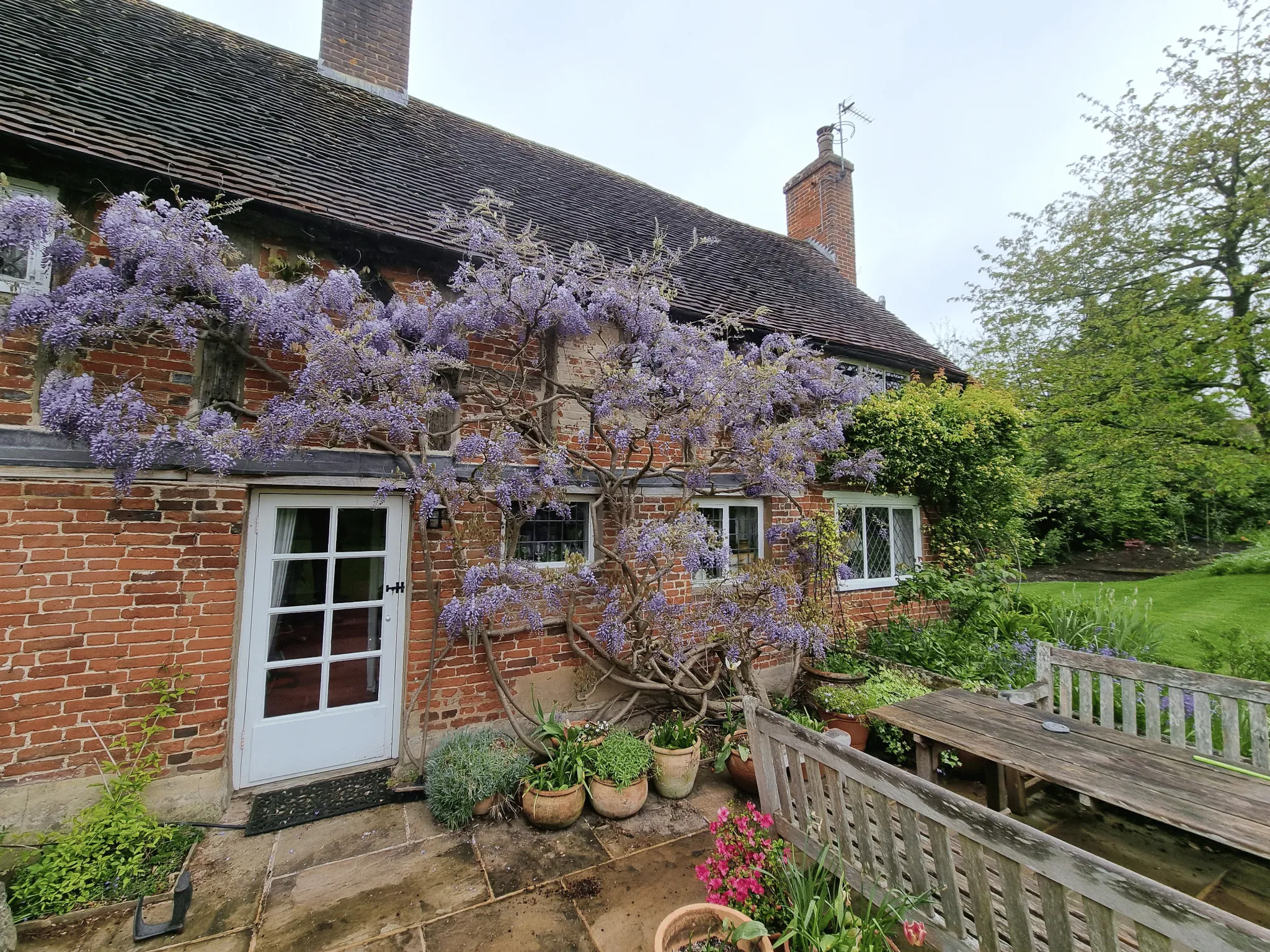
Mid-summer is about control and refinement: hedge trimming, wisteria summer pruning and general shaping. Keeping on top of growth now reduces the need for drastic work later in the year.
September to October
Pruning should become more restrained as plants prepare for dormancy. Light tidying and removing dead or damaged material is enough. Heavy pruning now encourages fresh growth that will not survive the colder months.
November to December
Very little pruning is required. Remove unsafe or damaged branches, do minor corrective work, and otherwise use the time for observation and planning.
Pruning in North Yorkshire
Cooler temperatures, heavier soils and increased exposure all influence how plants respond. In practice that means waiting a little longer before pruning in spring, avoiding heavy cuts before cold weather, and working with the natural pace of the garden.
When to get professional help
- Fruit trees
- Mature or established shrubs
- Structural pruning
- Overgrown or neglected gardens
We provide specialist pruning and ongoing garden care across the area, including Harrogate, Pateley Bridge and Ripon.
Final thoughts
By working with the rhythm of the seasons and adjusting for local conditions, you can support stronger growth, better flowering and a more balanced garden overall. If you are ever unsure, take a light approach and observe how your plants respond.